The Smallholder Green Ammonia Initiative

The Smallholder Green Ammonia Initiative

Join an open, community-led platform on the latest science, policy, financing, and field realities

Join an open, community-led platform on the latest science, policy, financing, and field realities

Join an open, community-led platform on the latest science, policy, financing, and field realities

Stay updated when we host events on how we can advance the green ammonia initiaitive

Stay updated when we host events on how we can advance the green ammonia initiaitive

Register

Next roundtable

Next roundtable

January 19, 2027

January 19, 2027

1

Register Interest

Sign up to receive vetted access to our reports, events, discussions and relevant information

Sign up to receive vetted access to our reports, events, discussions and relevant information

2

Collaboration

Gather at roundtable to discuss novel ways we can advance this new technology

Gather at roundtable to discuss novel ways we can advance this new technology

3

Stay connected

We will keep members stakeholders up to date with events and discussions around the initiative

We will keep members stakeholders up to date with events and discussions around the initiative

Green ammonia production offers a way to dramatically reduce the cost and improve the availability of fertilizer

Green ammonia production offers a way to dramatically reduce the cost and improve the availability of fertilizer

Green ammonia uses power from the grid, solar and other green technology to draw nitrogen from the air and hydrogen from water, producing aqueous or anhydrous ammonia — the building block of all mineral fertilizers — on site, without fossil fuels.

Analytical frameworks grounded in

market realities and local context.

1/4

yield

African crop yields are a fourth of yields in North America and East Asia, primarily driven by limited fertilizer access

22 vs 146

kg per hectare

Fertilizer applied per hectare in Sub-Saharan Africa versus the world average — a seven-fold gap

30–50%

cheaper

Cost of on-site green ammonia fertilizer versus imported fertilizer
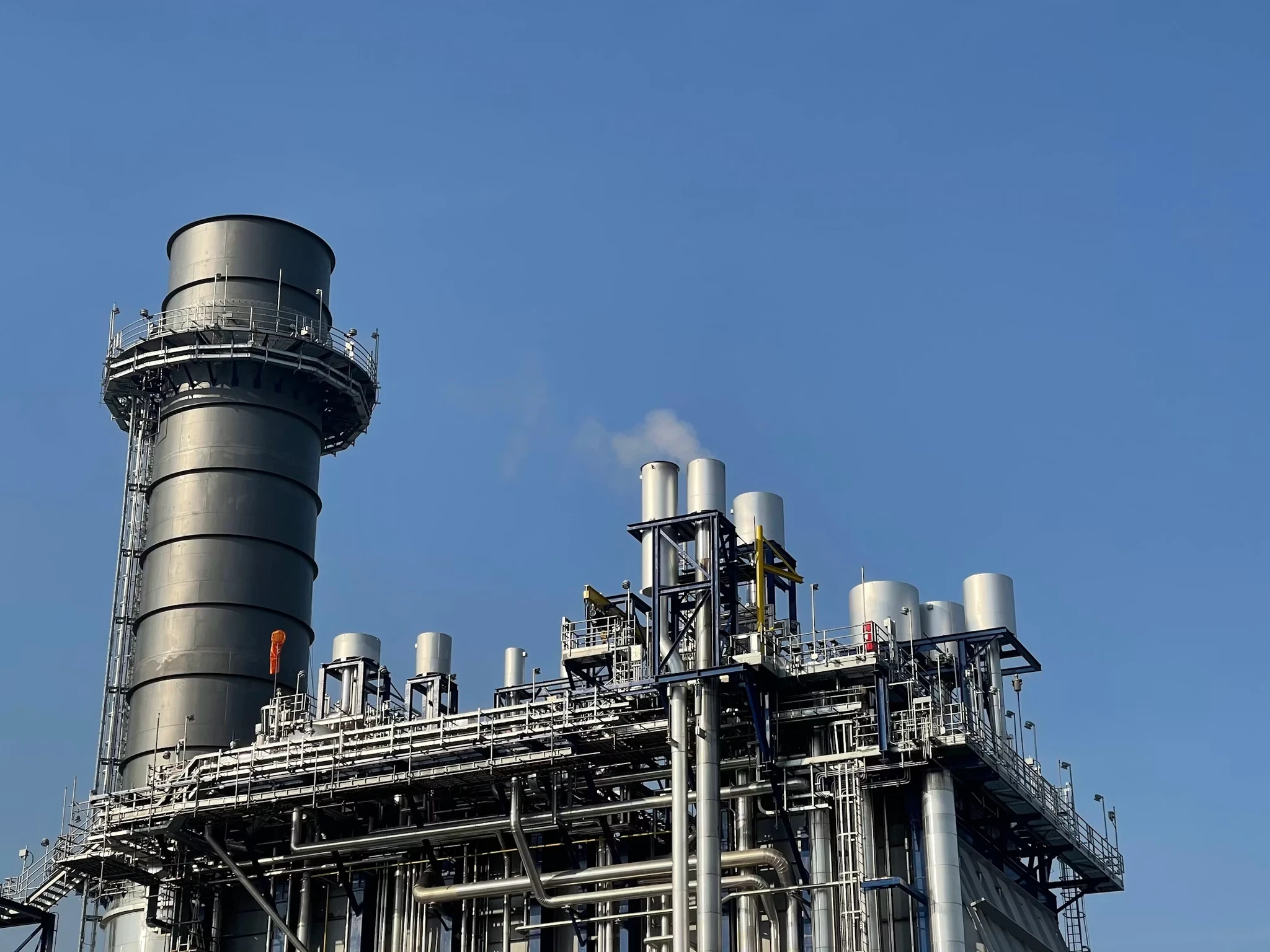
Modular green ammonia plants are operating in Africa, but adapting their output for smallholder farms is still a work in progress

The technology works and is already producing ammonia. The barrier is what happens after the plant: most routes from ammonia to a crop were designed for large farms.

Injected as anhydrous ammonia

Injected as anhydrous ammonia

82% nitrogen, the cheapest form there is. Stored under pressure, then knifed four to eight inches into the soil by tractor across large, contiguous fields. Injection requires pressure vessels, a toolbar and a licensed operator.

82% nitrogen, the cheapest form there is. Stored under pressure, then knifed four to eight inches into the soil by tractor across large, contiguous fields. Requires pressure vessels, a toolbar and a licensed operator.

Diluted into aqueous ammonia

Diluted into aqueous ammonia

Dilute it and it becomes safe enough to handle without specialist equipment. But most of what you then transport is water, so the cost of moving a kilo of nitrogen climbs steeply with every kilometre from the plant.

Dilute it and it becomes safe enough to handle without specialist equipment. But most of what you then transport is water, so the cost of moving a kilo of nitrogen climbs steeply with every kilometre from the plant.

Converted into a solid fertilizer

Converted into a solid fertilizer

Urea, CAN or ammonium sulphate — the products farmers already know and agro-dealers already stock. Conversion requires a second plant downstream, and the economics have so far only worked at national scale.

Urea, CAN or ammonium sulphate — the products farmers already know and agro-dealers already stock. Conversion requires a second plant downstream, and the economics have so far only worked at national scale.

Bound to a carrier like biochar

Ammonia is absorbed into biochar, zeolite or compost, giving a solid that releases nitrogen slowly and loses less of it to the air. Carriers can be made from local crop waste. But the evidence so far comes from lab and field trials, and the nitrogen content is far lower than urea.

82% nitrogen, the cheapest form there is. Stored under pressure, then knifed four to eight inches into the soil by tractor across large, contiguous fields. Requires pressure vessels, a toolbar and a licensed operator.

Reacted into ammonium bicarbonate

Ammonia reacts with CO₂ to form a simple solid fertilizer at 17% nitrogen, with no second plant downstream. Small Chinese plants once supplied much of the country's nitrogen this way. But it breaks down in heat and humidity, and crops recover only about 30% of its nitrogen.

Ammonia reacts with CO₂ to form a simple solid fertilizer at 17% nitrogen, with no second plant downstream. Small Chinese plants once supplied much of the country's nitrogen this way. But it breaks down in heat and humidity, and crops recover only about 30% of its nitrogen.

The missing link is how to reach smallholder farmers

The missing link is how to reach smallholder farmers

The Smallholder Green Ammonia Initiative brings together key stakeholders to tackle critical questions whose answers will unlock this breakthrough technology

The Smallholder Green Ammonia Initiative brings together key stakeholders to tackle critical questions whose answers will unlock this breakthrough technology

Analytical frameworks grounded in

market realities and local context.

PRODUCERS

1

What is the right fertilizer formulation and delivery approach to minimize cost and maximise adoption?

2

What plant size and business model makes production targeting smallholders financially viable?

DISTRIBUTORS

3

What last-mile packaging and transport model can move ammonia-based fertilizer safely in small volumes to remote farms?

4

Who aggregates and guarantees offtake, so a plant can run year-round against highly seasonal smallholder demand?

SMALLHOLDER FARMERS

5

What application methods and equipment can smallholders realistically use without heavy machinery or specialist protective gear?

6

What finance, training and extension support does a farmer need to switch and actually see a yield gain?

On the ground

Green ammonia projects across Africa

Green ammonia projects across Africa

Laayoune, Morocco

$4.5B, early development

Ain Sokhna, Egypt 

Egypt Green Hydrogen

Coega, South Africa

$5.8B, commissioning 2029

Olkaria, Kenya

geothermal-powered, $800M

MIDROC, Addis Ababa, Ethiopia

Naivasha, Kenya 

talusOne, Africa's first commercial modular plant

Capanda, Angola

hydro-powered, targeting 2028

Dâures, Namibia

Green Hydrogen Village pilot

Walvis Bay, Namibia

Cleanergy pilot

Laayoune, Morocco

$4.5B, early development

Ain Sokhna, Egypt 

Egypt Green Hydrogen

Coega, South Africa

$5.8B, commissioning 2029

Olkaria, Kenya

geothermal-powered, $800M

Naivasha, Kenya 

talusOne, Africa's first commercial modular plant

Capanda, Angola

hydro-powered, targeting 2028

Dâures, Namibia

Green Hydrogen Village pilot

Walvis Bay, Namibia

Cleanergy pilot

Operating

In development

Working for agri-food system transformation

in Africa.

© 2026 Baobab Impact

Nairobi, Kenya